Florida's hurricane season runs from June 1st through November 30th. With storms growing in intensity, wind-driven rain and flooding present major threats to properties. Taking proactive preparation steps can minimize storm damage and protect your home.
1. Inspect Your Roof & Flashing
Your roof is the first line of defense. Inspect it for loose, cracked, or missing shingles. Pay attention to the metal flashing around chimneys, vents, and roof valleys, as these are common water entry points during high wind-driven rains.
2. Clear Gutters & Downspouts
When gutters are clogged with leaves and debris, heavy rains accumulate and back up under shingles, causing leaks into the attic. Clean gutters thoroughly and ensure downspouts redirect water at least 6 feet away from your foundation.
3. Seal Windows & Doors
High winds push rain horizontally, forcing it through window frame joints and under doors. Check caulking around all exterior window frames and replace worn weather stripping on doors. If a storm is approaching, install hurricane shutters or impact-resistant panels.
4. Know How to Shut Off Utilities
If your property begins flooding, shut off the electrical power at the main breaker to prevent electrocution and electrical fires. Also, locate your main water shut-off valve; if plumbing lines crack due to structural movements, shutting it off prevents major internal flooding.
5. Prepare Sandbags & Flood Barriers
If you live in low-lying areas or flood zones (especially around the coastal sections of Miami and Tampa), stack sandbags in front of entryways, garage doors, and low vents. While sandbags won't stop water completely, they redirect shallow runoff away from your house.
Immediate Response After a Storm
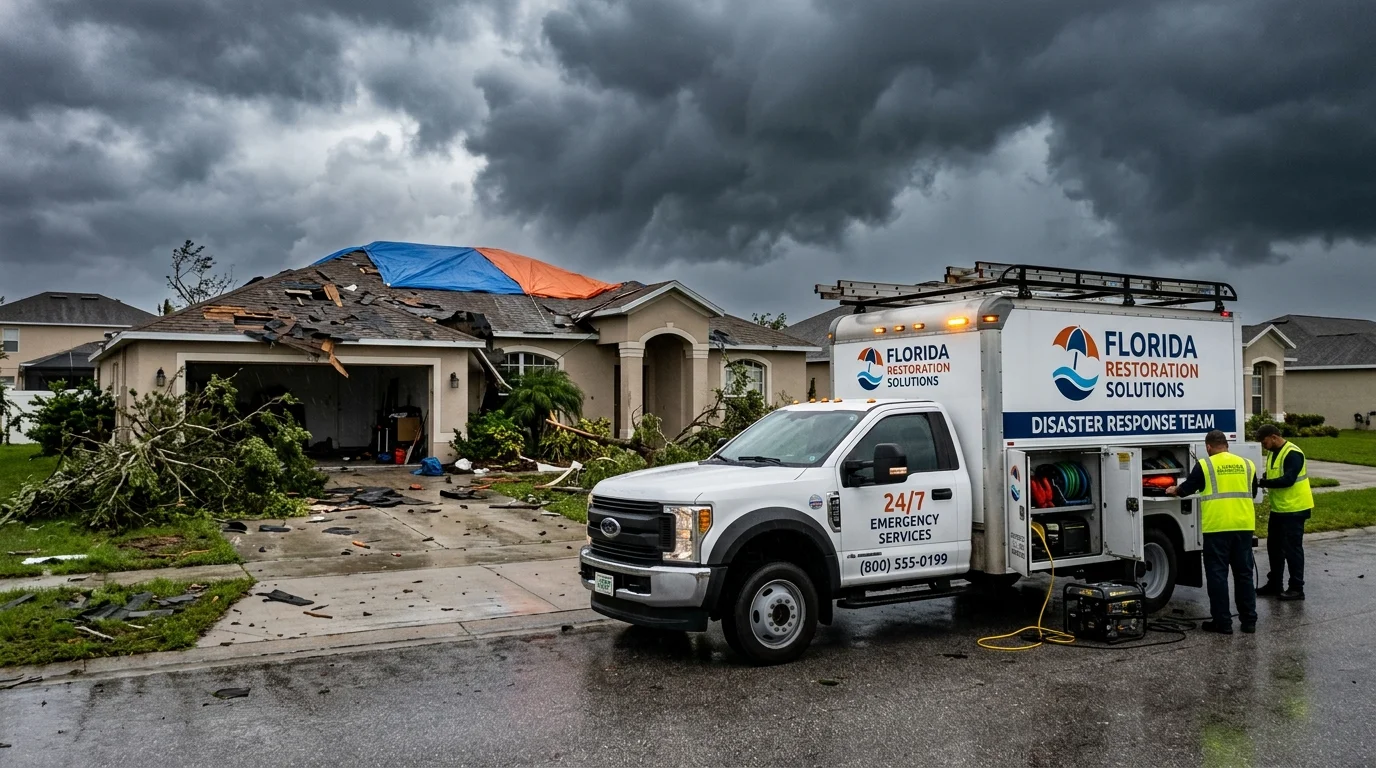
If your home suffers water intrusion during a hurricane, contact a professional restoration network immediately after the storm passes. Delaying extraction allows mold to spread rapidly throughout the structure, which is often not fully covered by standard insurance policies if mitigation is neglected.