When a home floods, the clock is ticking. In Florida's hot and humid environment, mold spores can settle, germinate, and multiply in wet drywall, wood framing, carpets, and insulation in as little as 24 to 48 hours. Preventing mold after a flood requires swift, structured action.
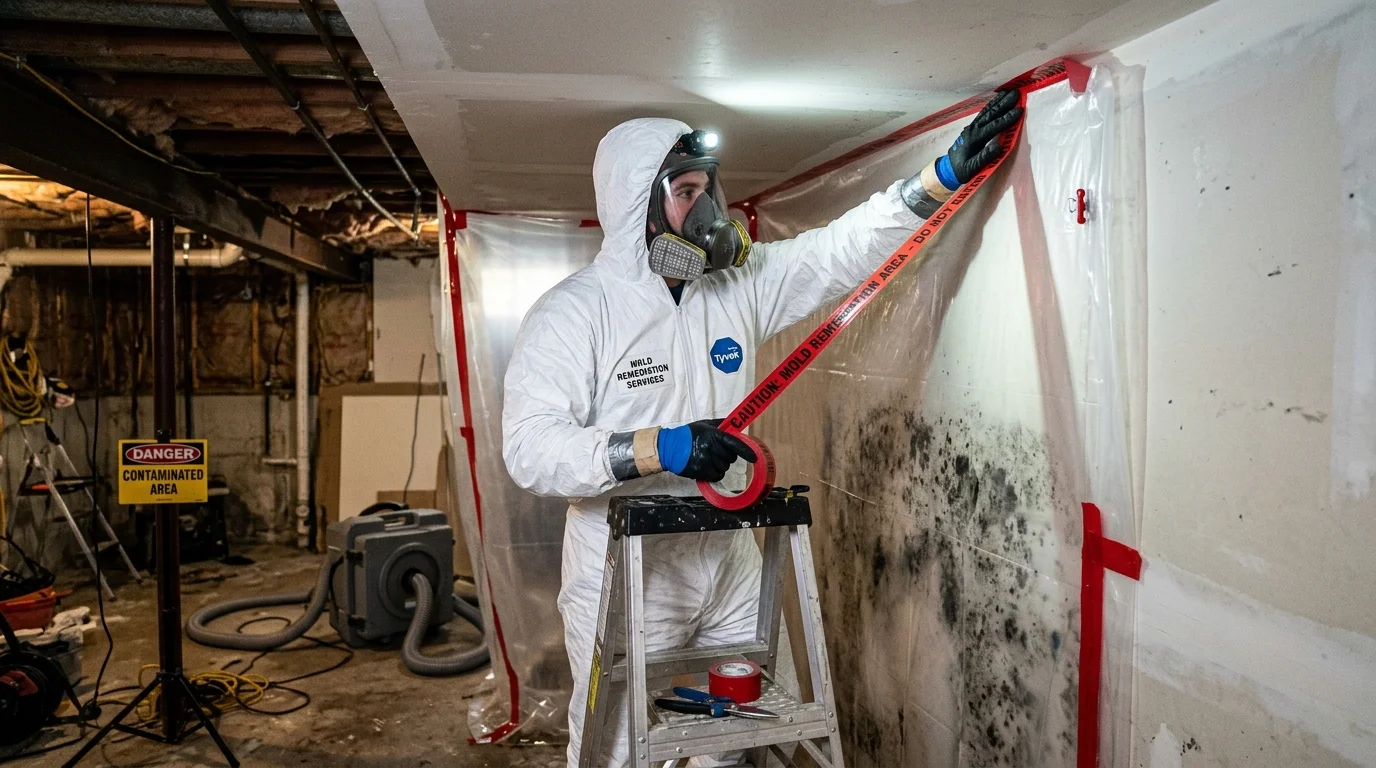
1. Safety First
Before entering any flooded structure, ensure it is safe. Turn off the main electrical breaker if water has reached wall outlets. Wear heavy-soled boots, rubber gloves, and an N95 respirator mask to protect yourself from bacteria present in storm floodwaters.
2. Stop the Source of Water
If the flooding is from an internal source, like a burst pipe or a leaking washing machine hose, turn off the main water shut-off valve immediately. If it's a storm or hurricane-related flood, wait until the storm passes and structural stability is verified.
3. Remove Standing Water Quickly
The longer materials are submerged, the deeper water penetrates, and the more likely mold is to spread. Use wet-dry vacuums, buckets, and pumps to remove as much standing water as possible. Professional restoration companies use truck-mounted extraction units that pull water from deep carpet fibers and concrete subfloors.
4. Strip Away Saturation
Porous materials like carpet padding, foam cushions, and fiberglass insulation cannot be dried quickly enough to prevent mold and must be discarded. Drywall must be cut and removed at least 12 inches above the highest water mark (known as a "flood cut") to allow the wooden wall studs to dry completely.
5. Use Commercial Drying Equipment
Standard household fans and open windows are insufficient for structural drying. You need high-velocity air movers to blow moisture off surfaces and LGR dehumidifiers to pull humidity from the air, preventing mold from germinating on surrounding walls.
6. Apply Antimicrobial Treatments
After the materials are physically dry (verified with moisture meters), treat all remaining structural wood and subfloors with EPA-registered antimicrobial disinfectants. This kills microscopic spores and provides a protective layer that resists future mold growth.
Mold is a Health Risk
Exposure to toxic black mold (Stachybotrys chartarum) and other molds can cause nasal congestion, skin irritation, breathing difficulties, and asthma attacks. If you suspect mold has already spread, seek professional mitigation immediately.